This post may contain affiliate links. Please see our disclosure policy.
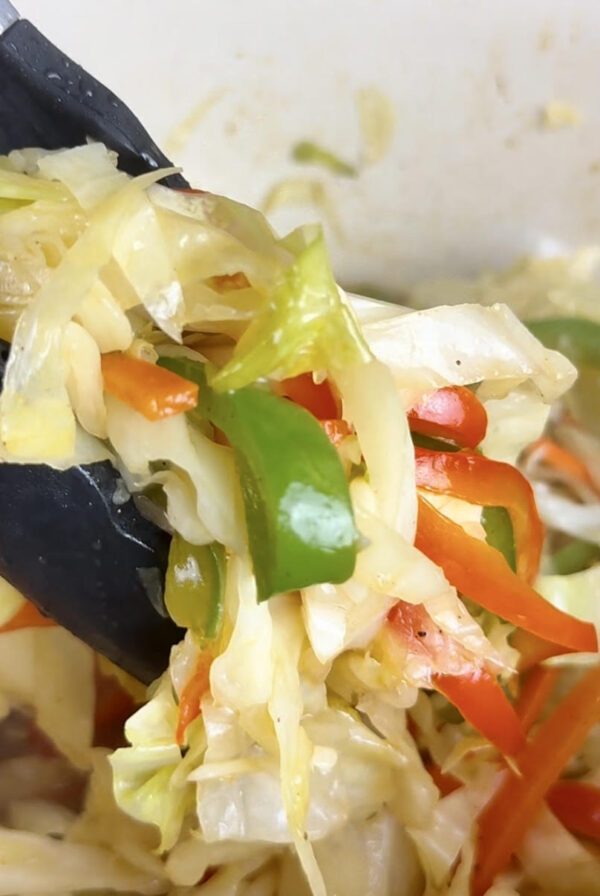
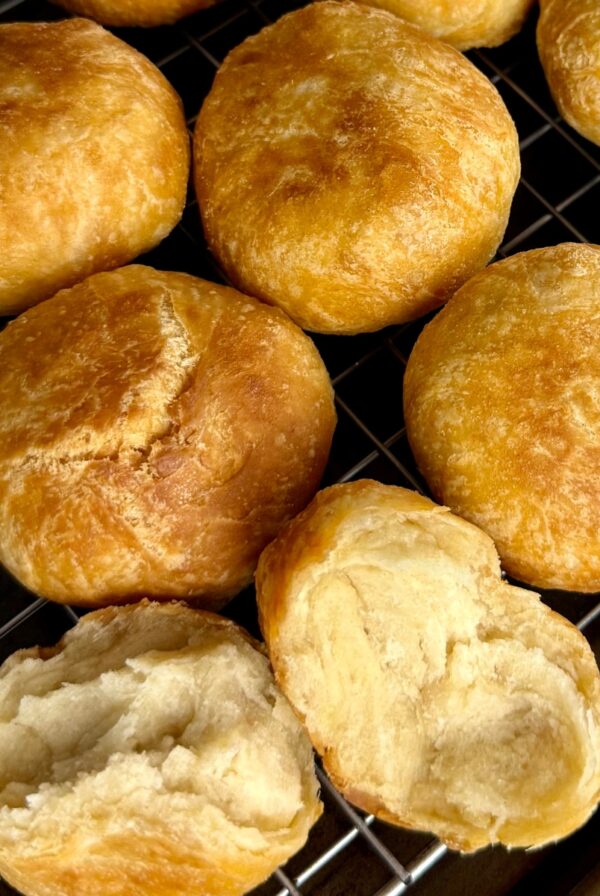
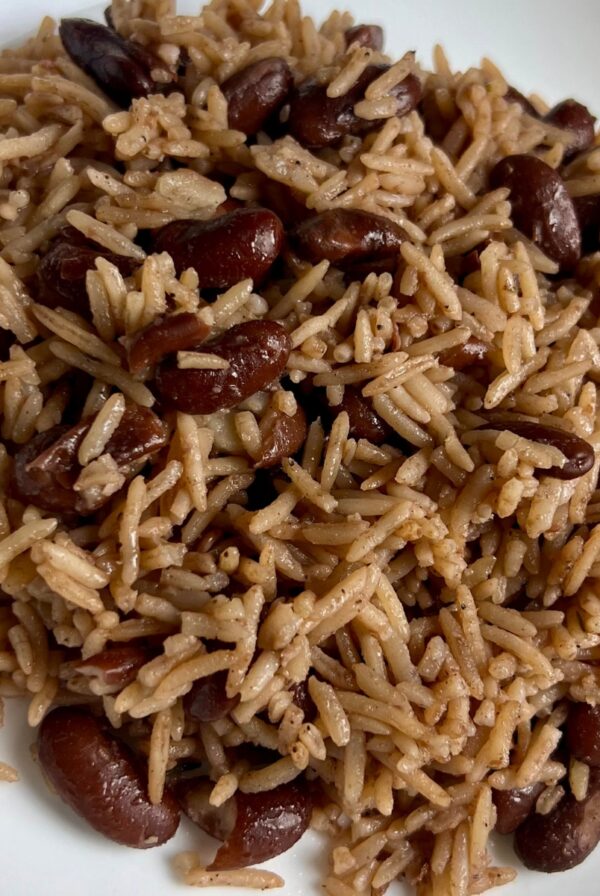
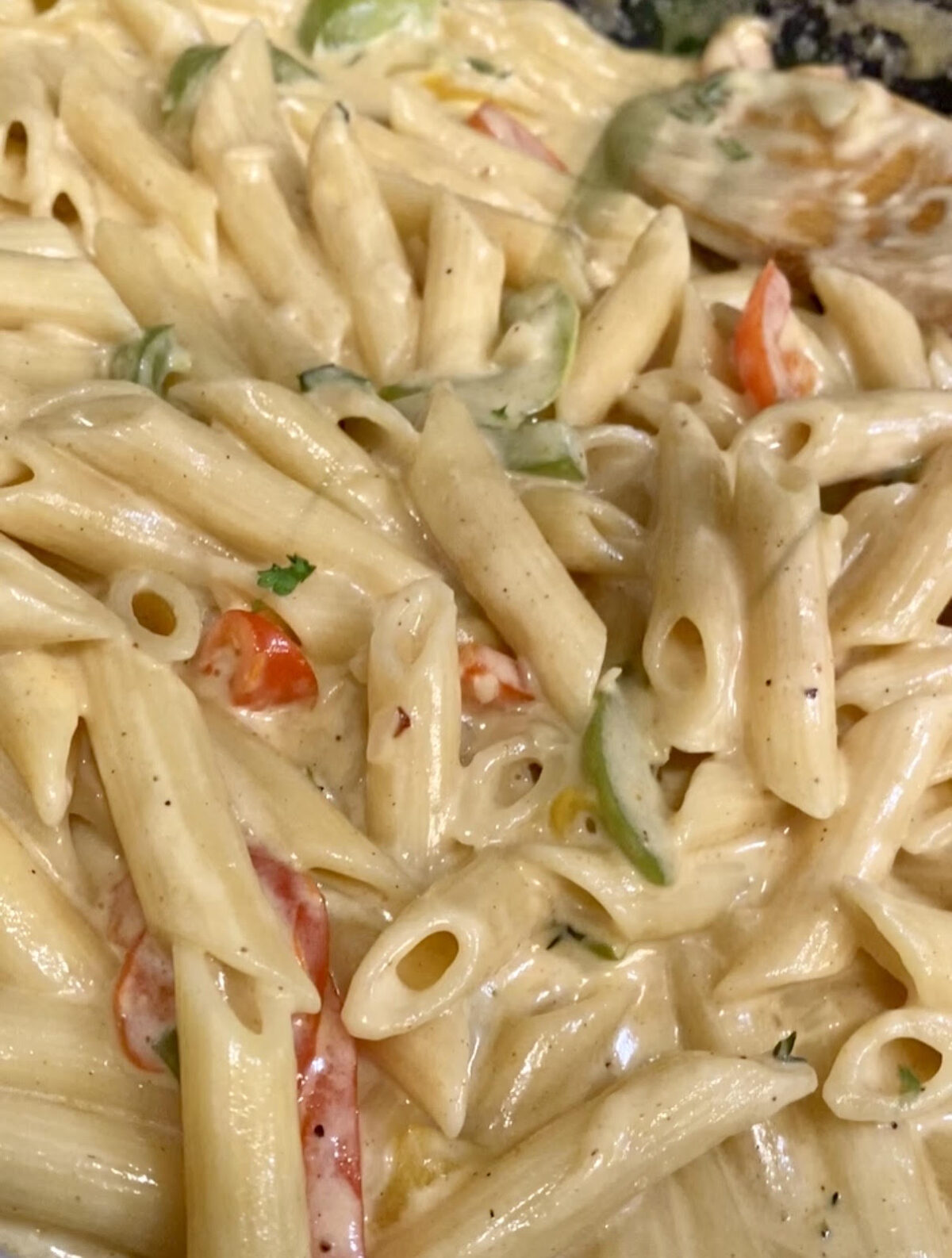
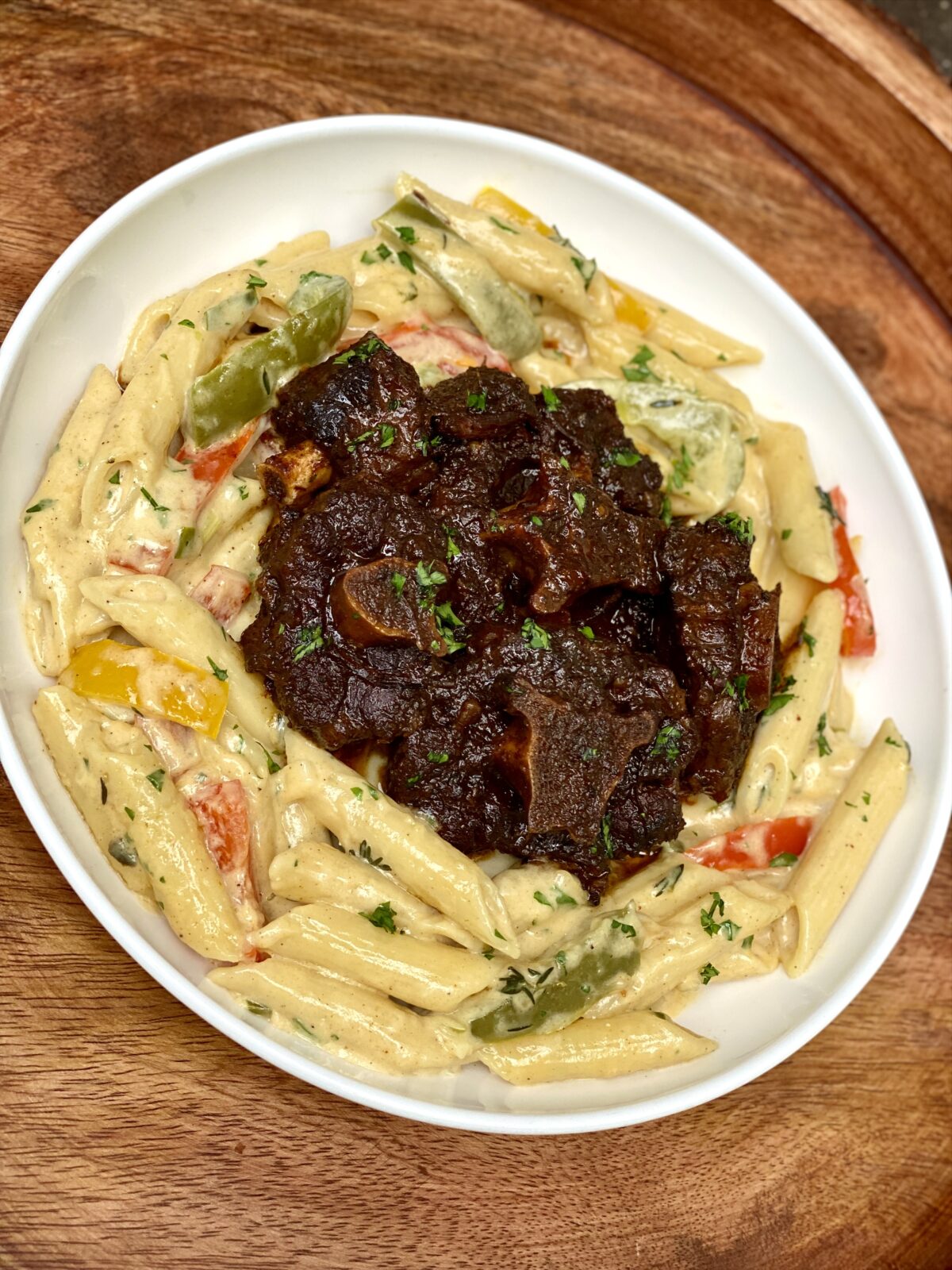
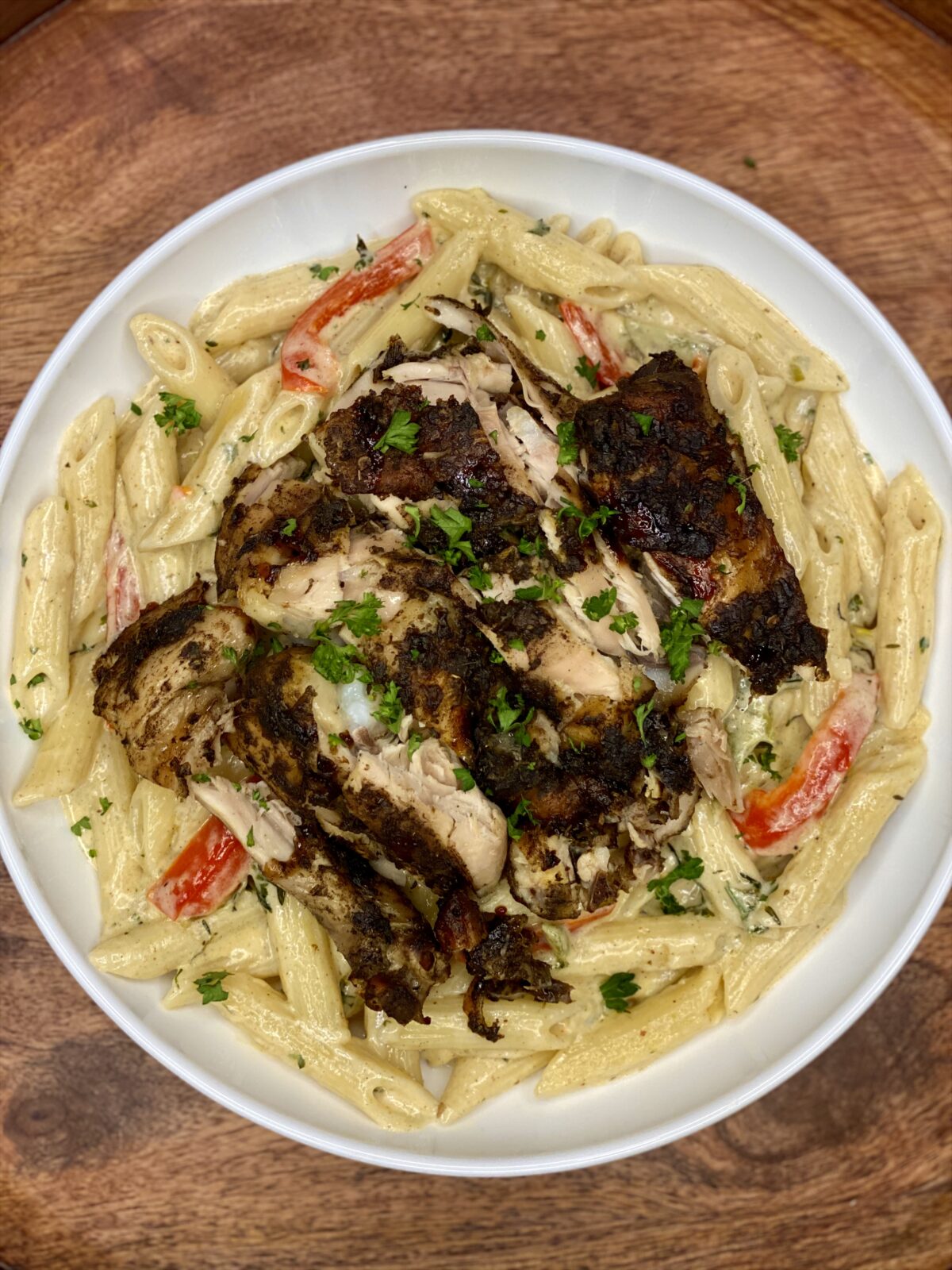
This Creamy Rasta Pasta is a Jamaican-inspired dinner made with sautéed bell peppers and penne tossed in a cheesy sauce with just the right amount of heat. You can make the sauce with heavy coconut cream or regular heavy cream, so every bite is rich and flavorful. I love this for an easy weeknight dinner because it’s ready in less than 30 minutes. Or, try serving it with Jamaican Oxtail or Jamaican Jerk Chicken for an even more memorable meal!
Why I love this Creamy Rasta Pasta
I’ve made rasta pasta more times than I can count, and I’ve tried plenty of different variations over the years. But, this is the recipe I always come back to. The trick is giving the dish 5 minutes to rest after everything is mixed together.
This gives the penne time to absorb some of that creamy, cheesy sauce while the rest thickens and clings to every piece. By the time you take that first forkful, you get tender pasta coated in sauce along with the peppers, herbs, and jerk flavor in every bite. There’s nothing better!
Why you’ll love this Rasta Pasta Recipe
- Ready in 25 minutes: Just 5 minutes of prep and 20 minutes of cooking. This is an easy option when you need to get dinner on the table quickly.
- Easy to make your own: Serve it as a side or add your favorite protein to make it a full meal. You can also swap the heavy cream for coconut cream.
- Packed with flavor: Jerk marinade, fresh herbs, sautéed peppers, aromatics, and Parmesan create a creamy, savory sauce with just the right amount of spice.
What is Rasta Pasta?
Rasta pasta is a Jamaican pasta dish that has evolved into the creamy, cheesy pasta most of us know today. It’s typically made with colorful bell peppers and Jamaican jerk seasoning. Despite the name, it isn’t a traditional Rastafarian dish. Rastafari food traditions are associated with Ital cooking, which emphasizes natural, plant-based foods and often excludes meat and dairy.
Rasta pasta traces back to Jamaican chef Lorraine Washington, who created the original dish at Paradise Yard in Negril in 1985. Her version was homemade fettuccine served with tomato sauce and ackee. Washington has shared that the colors on the plate reminded one of the carpenters she was cooking for of the red, green, and gold associated with Rastafari. Another thought the strands of fettuccine looked like locs. That’s how rasta pasta got its name.
Rasta pasta looks a lot different today, and I’ve definitely put my own spin on it over the years. My version uses penne with red, green, and yellow bell peppers, jerk marinade, fresh herbs, and a creamy Parmesan sauce. You can keep it meatless, serve it with jerk chicken, oxtail, shrimp, or whatever protein you’re in the mood for.
iNGREDIENTS FOR Rasta Pasta
- Penne pasta: You can use whatever shape pasta you like, but penne is perfect for this because the creamy sauce gets inside the tubes and coats every bite.
- Salt: Be generous when salting the pasta water so the penne has flavor before it ever hits the sauce.
- Olive oil and butter: I use both to sauté the vegetables and start building the base of the sauce. The butter also adds a little extra richness.
- Aromatics: Yellow onion and fresh garlic provide a savory base and become fragrant after a quick sauté.
- Bell peppers: Red, green, and yellow bell peppers add color, a little sweetness, and some texture to the pasta. They’re also one of the ingredients that makes rasta pasta instantly recognizable.
- Scallions: Chopped scallions add a fresh onion flavor that works really well with the peppers and jerk seasoning.
- Fresh herbs: Fresh thyme and parsley add another layer of flavor to the sauce. I divide the parsley so I have some left for finishing the pasta.
- Old Bay and adobo seasoning: I use a teaspoon of each to season the sauce. It gives it a more savory flavor before adding the jerk marinade.
- Jerk marinade: This is where that Jamaican flavor and heat really come through. A tablespoon is enough to season the creamy sauce without overpowering everything else.
- Heavy whipping cream or heavy coconut cream: Either one gives you the rich, creamy base for the sauce. Heavy cream gives it that classic dairy richness. Coconut cream is an easy alternative that also works really well with the jerk flavors.
- Parmesan cheese: Parmesan melts right into the cream to thicken the sauce and give it that cheesy, savory finish.
How to make Rasta Pasta
Cook the Pasta
I start by bringing a large pot of water to a boil and seasoning it generously with salt. Add the penne and cook according to the package instructions until al dente. Keep in mind that the pasta will soften a little more once it hits the sauce. Reserve about 1 cup of pasta water in case you need it to loosen the sauce later, then drain the pasta.
Sauté the Vegetables
While the pasta cooks, heat the olive oil and butter in a large skillet over medium heat, stirring until the butter melts. Add the onion and garlic and sauté for about 30 seconds, just until they become fragrant. Then add the bell peppers, scallions, thyme, and half of the parsley, followed by the Old Bay, adobo, and jerk marinade, and give everything a good stir.
How to Make Rasta Pasta Sauce
Pour the heavy cream into the skillet and bring it to a rolling simmer over medium heat. Let it simmer for about 5 minutes, stirring occasionally. This gives the cream time to reduce, and the flavors from the vegetables and seasonings can work their way into the sauce. Once the sauce has reduced, turn off the heat and stir in the Parmesan until it melts completely. Taste the sauce and adjust the seasonings as needed.
Add the Pasta
Add the drained penne directly to the skillet. Then toss everything together until the pasta is well coated in the creamy sauce. Let the finished rasta pasta dish rest for 5 minutes before serving; this gives the penne time to absorb some of the sauce while the rest thickens and clings to the pasta. Finish with the remaining parsley and serve it as is or with jerk chicken, oxtail, shrimp, or your favorite protein.
Storage
Store leftover rasta pasta in an airtight container in the refrigerator for up to 3 days. When reheating, warm it gently on the stovetop or in the microwave with a splash of heavy cream or heavy coconut cream to loosen the sauce and bring back some of its creaminess.
Tips for the best Rasta Pasta
- Cook the pasta just until al dente. The penne continues to soften once it’s added to the sauce, so avoid cooking it past al dente before draining it.
- Season the vegetables before adding the cream. Adding the Old Bay, adobo, and jerk marinade directly to the peppers, scallions, and herbs seasons everything before the cream goes in and becomes the base of the sauce.
- Let the cream reduce before adding the Parmesan. Simmering the cream for about 5 minutes thickens the base of the sauce, and adding the Parmesan off the heat helps it melt smoothly without overheating the sauce.
- Don’t skip the 5-minute rest. This is what takes the pasta from simply coated in cream sauce to really creamy rasta pasta. The penne absorbs some of the sauce as it sits, while the remaining sauce thickens and clings to every piece.
frequently asked questions
Yes, rasta pasta is a real Jamaican dish, first created by Jamaican chef Lorraine Washington in Negril in 1985. The original was made with fettuccine, tomato sauce, and ackee, but the dish has evolved over the years into the creamy, jerk-seasoned pasta that many of us know today.
I prefer penne for rasta pasta because its hollow shape catches plenty of that creamy sauce, but other short pasta shapes like rigatoni or fusilli also work well. For this recipe, I cook the penne just until al dente since it continues to soften once it’s mixed with the sauce.
Rasta pasta sauce is typically a creamy sauce seasoned with Jamaican jerk seasoning and paired with colorful bell peppers, although recipes vary. My version is made with heavy whipping cream or heavy coconut cream, Parmesan, jerk marinade, Old Bay, adobo, garlic, onion, scallions, thyme, and parsley for a creamy, cheesy sauce with plenty of flavor.
If your rasta pasta sauce seems too thin at first, make sure you’ve let the cream simmer for about 5 minutes so it has time to reduce. Once you add the pasta, let the finished dish rest for another 5 minutes as directed so the penne can absorb some of the sauce and the sauce can thicken as it sits.
I Hope you enjoyed making this Creamy Rasta Pasta!
If you try it, let me know how it turns out. I’d love to hear from you.
For more Jamaican-inspired home cooking, follow me on Instagram, Facebook, YouTube, and TikTok where I share new dishes, tips, and real-time cooking in my kitchen.
Rasta Pasta Recipe
Ingredients
- 1 lb box of penne pasta
- Salt
- 2 tbsp olive oil
- 4 tbsp butter
- ½ small yellow onion
- 8 garlic cloves, minced
- 2 scallion stalks, chopped
- ½ green bell pepper, sliced
- ½ red bell pepper, sliced
- ½ yellow bell pepper, sliced
- Leaves of 4 thyme sprigs
- 4 tbsp parsley, chopped (divided)
- 1 tsp Old Bay seasoning
- 1 tsp adobo seasoning
- 1 tbsp jerk marinade
- 2 cups heavy whipping cream or heavy coconut cream
- 1/2 cup parmesan, shredded or grated
Instructions
- Bring a pot of water to a boil. Liberally salt the water, then add the penne pasta and boil according to package instructions until al dente. (The pasta will get more tender once it cooks a bit more in the sauce.) Reserve one cup of pasta water, then drain the pasta.
- In a skillet heated over medium heat, add the olive oil and butter. Stir until the butter melts. Then, add the onion and garlic and sauté for about 30 seconds.
- Once the garlic and onion become aromatic, add the bell peppers, scallion, thyme, and half of the parsley. Season with Old Bay, adobo, and jerk marinade, then stir.
- Stir in the heavy cream, and bring it to a rolling simmer over medium heat for about five minutes, stirring occasionally.
- Once the cream starts to reduce, turn off the heat. Stir in the parmesan cheese.
- Once the cheese melts and is fully incorporated into the sauce. Taste the sauce and adjust seasonings according to taste, if needed.
- Add the pasta to the sauce, and combine everything well. Turn off the heat, and allow the pasta to rest and absorb the sauce for five minutes before serving.
Notes
 Like this? Leave a comment below!